Wildlife habitat
Wetlands and estuaries provide food, shelter, and nursery habitat for birds, fish, and other wildlife.
A CONNECTED LANDSCAPE
The flamingo’s story is also the story of Florida’s shallow waters, coastal ecosystems, and natural heritage.
THE HABITAT CONNECTION
Where flamingos feed, rest, and gather can tell us more about the places they use.
Research into flamingo movements and habitat use helps identify important shallow-water feeding and resting areas. It can inform where protection, restoration, and further study may be needed.
A sighting alone is not a water-quality measurement or proof of ecosystem recovery. Careful monitoring puts individual observations into context.
Read the Florida Bay field study ↗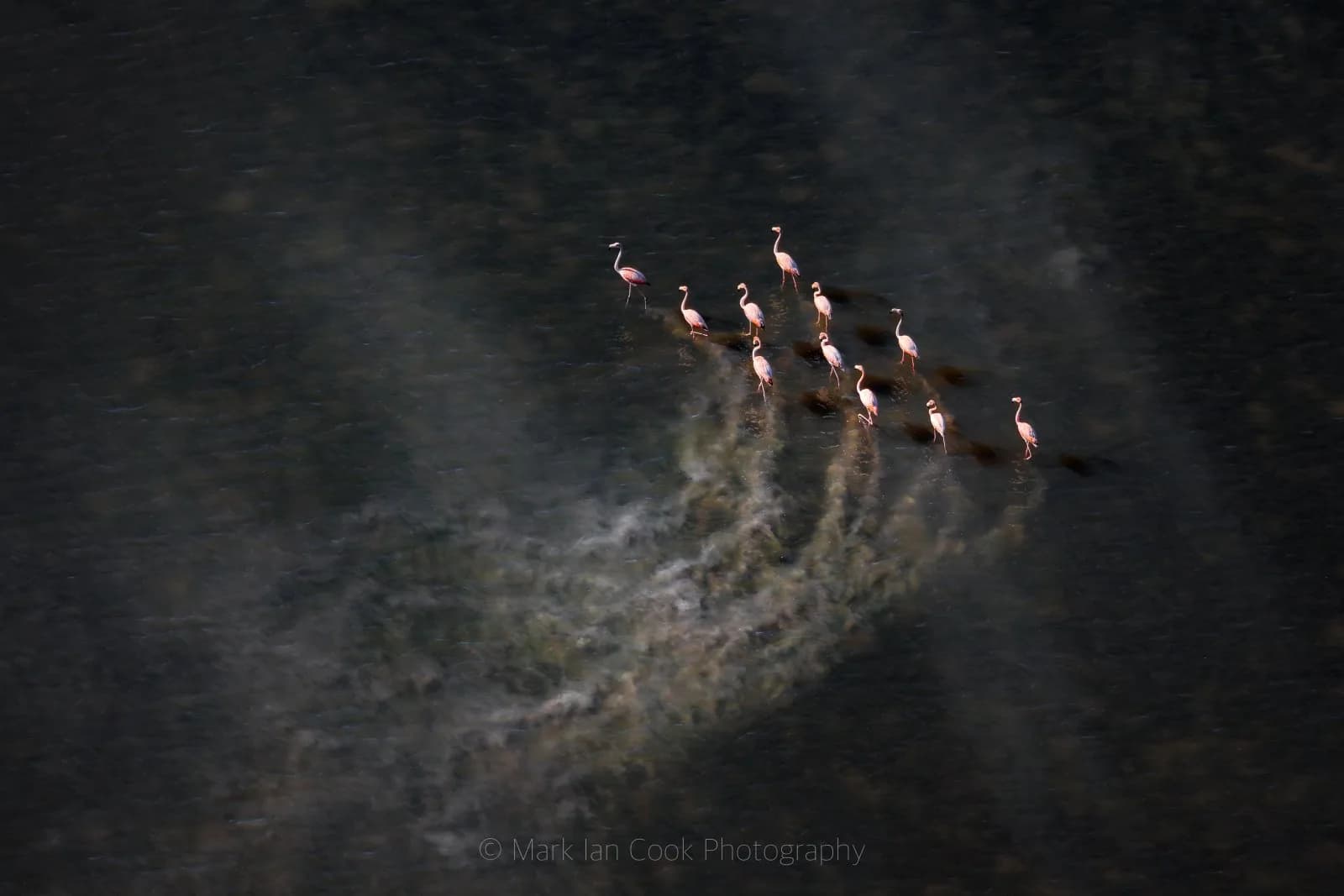
WHY WETLANDS MATTER
Wetlands and estuaries provide food, shelter, and nursery habitat for birds, fish, and other wildlife.
Wetland vegetation, soils, and natural processes can help retain sediments and improve water quality.
Wetlands can store floodwaters, slow their movement, and reduce shoreline erosion.
Wetland soils and plant communities store carbon, connecting local habitat protection to wider climate processes.
Mangroves, mudflats, estuaries, and shallow coastal water form a varied landscape for flamingos and other species.
Conserving these places supports recreation, coastal livelihoods, and a distinctive part of Florida’s natural identity.
Wetland functions vary by location and condition. Sources: U.S. Environmental Protection Agency and Whitfield et al. (2021).
EVERY OBSERVATION MATTERS
Your observations can help researchers understand where flamingos go and what they need.